


 Deutsch
 English
 Español
 Français
 Nederlands
 Português


 Share
Share




On January 1, 2026, the European Union's Carbon Border Adjustment Mechanism (CBAM) entered its definitive phase, marking the first time a major economy has externalized its carbon pricing beyond its borders. Importers of steel, aluminium, cement, fertilisers, electricity, and hydrogen must now purchase CBAM certificates tied to the EU Emissions Trading System (ETS) price, which stood at €75.36 per tonne of CO₂ in the first quarter of 2026. This policy shift is already triggering retaliatory signals from major trading partners and spurring a wave of similar carbon border measures worldwide, fundamentally reshaping the intersection of climate policy and global trade architecture.
What Is CBAM and How Does It Work?
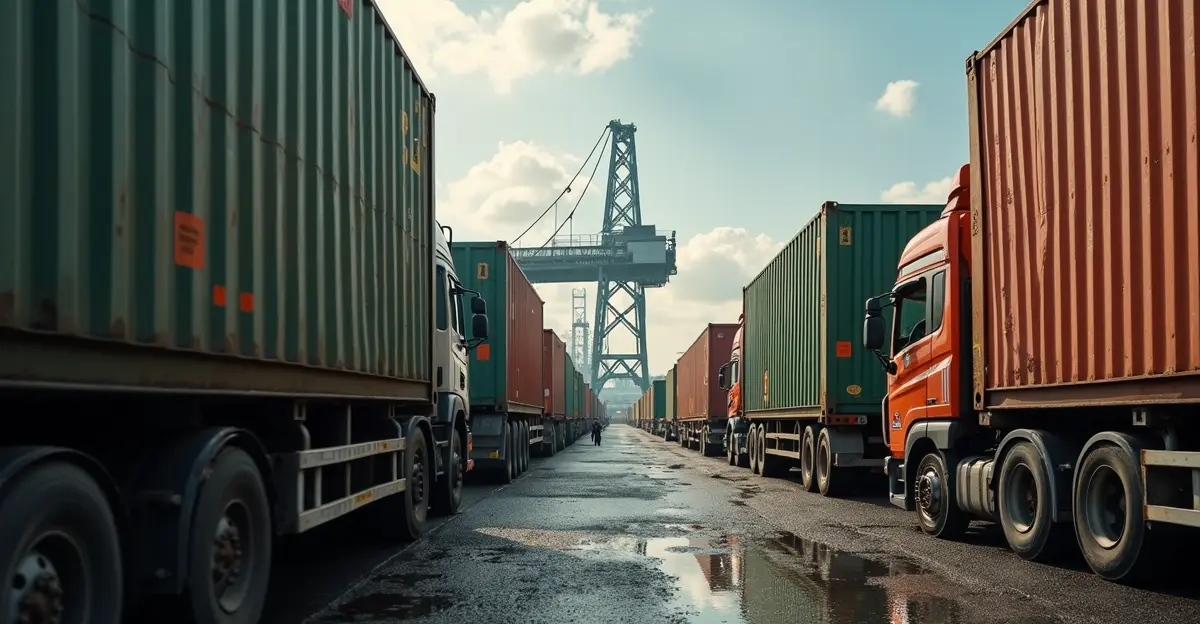
The EU Carbon Border Adjustment Mechanism is a carbon tariff designed to prevent 'carbon leakage'—the phenomenon where EU manufacturers relocate production to jurisdictions with weaker climate regulations. Under CBAM, importers of covered goods exceeding a 50-tonne annual threshold must register as authorized CBAM declarants, calculate the embedded emissions in their products, and surrender certificates priced at the weekly average EU ETS auction rate. Importers can deduct any carbon price already paid in the country of origin, ensuring that the total carbon cost faced by imports mirrors that of EU domestic production.
The mechanism covers approximately €50 billion in annual EU imports across six sectors. Steel alone accounts for over €15 billion in imports, with estimated CBAM costs ranging from €37.50 to €150 per tonne depending on the production route and emissions intensity. The EU ETS carbon pricing system has been in operation since 2005, but CBAM now extends its reach globally for the first time.
Global Trade Ramifications
Retaliatory Signals and WTO Challenges
Developing nations led by India, China, Brazil, and South Africa have challenged CBAM at the World Trade Organization, arguing it violates Most-Favoured Nation and National Treatment principles. The EU defends the mechanism under GATT Article XX, which permits trade-restrictive measures for environmental protection. Analysts project CBAM costs could reach €22 billion annually by 2035, potentially reducing GDP in export-reliant countries such as Mozambique by 1.6%. The WTO dispute over carbon border measures is expected to be a landmark case for climate-trade jurisprudence.
Impact on Key Exporting Nations
For Türkiye, where the EU absorbs 42% of exports, CBAM poses acute risks. Turkish steel exporters face costs of €48–72 per metric tonne, while aluminium exporters face €36.37 per tonne under default values. A World Bank study found that Turkish firms' short-term response is 'market switching'—redirecting exports away from the EU—rather than investing in green technologies, due to financial constraints. China and India face even steeper costs: Chinese aluminium imports face CBAM charges of €144.13 per tonne, while Indian steel (hot-rolled coil) faces €254.13 per tonne under default emission values.
A Wave of Carbon Border Measures Worldwide
CBAM is catalyzing a global proliferation of similar mechanisms. The United Kingdom will launch its own CBAM on January 1, 2027, covering aluminium, cement, fertilisers, hydrogen, iron and steel, and ceramics. Canada is exploring a domestic carbon border adjustment, with particular implications for its aluminium sector—Québec's low-carbon hydropower-based production may gain a competitive edge, but administrative compliance burdens remain. Australia's final Carbon Leakage Review, published in early 2026, recommends a CBAM-like scheme for high-risk sectors. Türkiye's new Climate Law, passed in 2025, authorizes the creation of a domestic ETS and a Turkish CBAM, potentially aligning with EU standards to reduce its exporters' liability. The global carbon pricing trends are accelerating as more jurisdictions adopt border adjustments.
Compliance Challenges for Importers
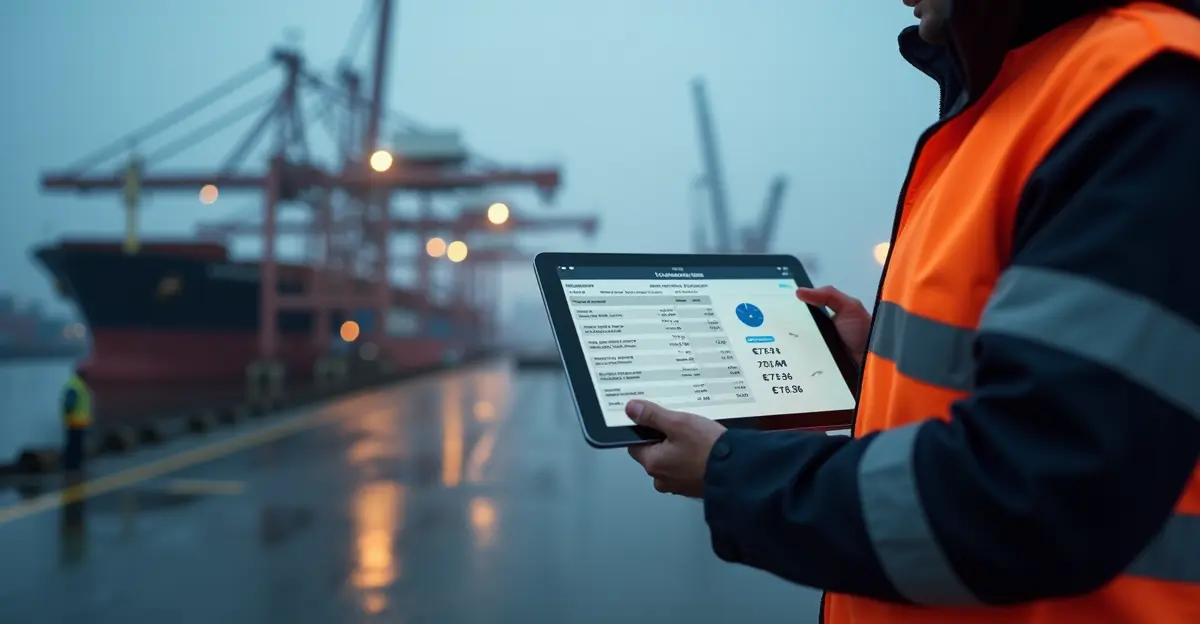
From 2026, EU importers face a steep compliance curve. They must apply for Authorised CBAM Declarant status by March 31, 2026, calculate embedded emissions using either default values (with punitive mark-ups phased in over three years) or verified actual emissions data, purchase certificates through a common central platform (operational from February 2027), and submit annual declarations by May 31 of the following year. Non-compliance penalties reach €100 per tonne of unreported emissions. The European Commission published the first quarterly CBAM certificate price—€75.36 per tCO₂e—on April 7, 2026, based on the volume-weighted average of EU Allowances auctioned in Q1.
Expert Perspectives
'CBAM is the most significant climate-trade policy experiment in history,' says Dr. Simone Tagliapietra, senior fellow at Bruegel. 'It forces exporting countries to either decarbonize or pay a price. The risk is that it fragments global trade into climate blocs.' The International Emissions Trading Association (IETA) views CBAM as a catalyst for global carbon pricing adoption, potentially leading to a broader international framework of border carbon adjustments.
FAQ
What products are covered by CBAM?
CBAM currently covers cement, iron and steel, aluminium, fertilisers, electricity, and hydrogen. The EU plans to expand coverage to downstream products by 2028 and all ETS sectors by 2030.
How is the CBAM certificate price determined?
The price is calculated as the weekly average auction clearing price of EU ETS allowances. For 2026, prices are published quarterly; from 2027, they will be published weekly. The Q1 2026 price was €75.36 per tonne of CO₂.
Can importers deduct carbon costs already paid abroad?
Yes. Importers can deduct any explicit carbon price already paid in the country of origin, provided it is verifiable. This is designed to avoid double taxation and incentivize other countries to adopt carbon pricing.
Is CBAM compatible with WTO rules?
The EU asserts CBAM complies with WTO rules, citing GATT Article XX for environmental protection. However, developing countries have filed challenges, arguing it discriminates against their exports. The outcome of these disputes will set a precedent for future climate-trade policies.
How will CBAM evolve in the coming years?
By 2028, CBAM will expand to cover downstream products. By 2030, all ETS sectors will be included. By 2034, free allowances for EU domestic producers will be fully phased out, making CBAM the sole mechanism for addressing carbon leakage in covered sectors.
Conclusion
The EU's Carbon Border Adjustment Mechanism represents a strategic inflection point at the climate-trade nexus. As the first fully operational border carbon adjustment, it is already reshaping global supply chains, trade diplomacy, and industrial competitiveness. While its long-term effectiveness in reducing global emissions remains to be seen, CBAM has undeniably accelerated the convergence of climate policy and international trade—a trend that will define economic relations for decades to come.

Follow Discussion